
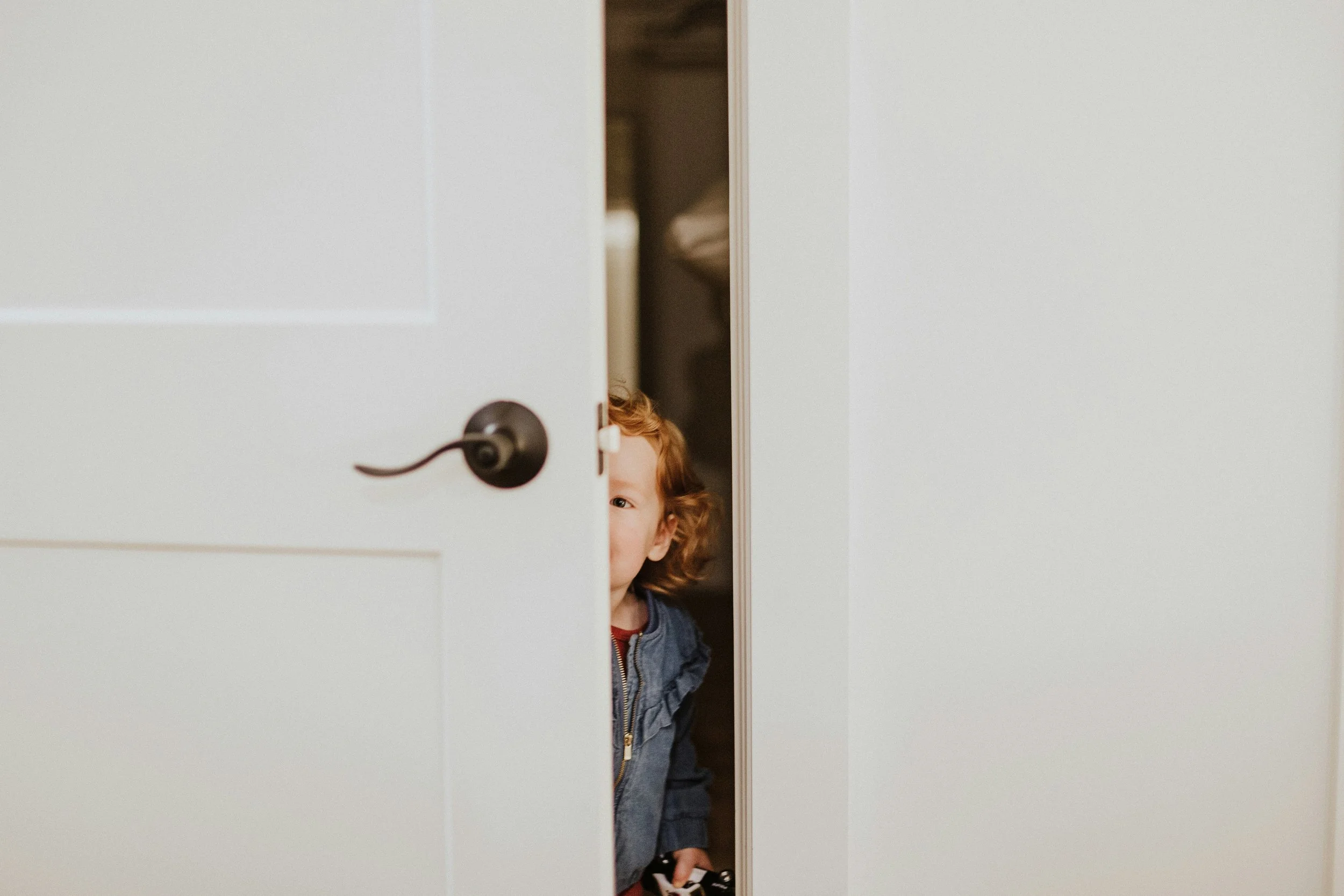
Is there currently a little human clinging to your arm, or leg while you attempt to fold that mountain of laundry? Do you hear the word “up up up.” nearly all day long? Welcome, you have birthed a velcro child. Even as I write this, my own little velcro is attached to me.
As a stay at home mom, you signed up for endless hours with your babies but, no one quite prepares you for the sensory overload of nearly never being untouched. Your shadow has a shadow, and he will go full meltdown mode if you dare step into the bathroom alone.
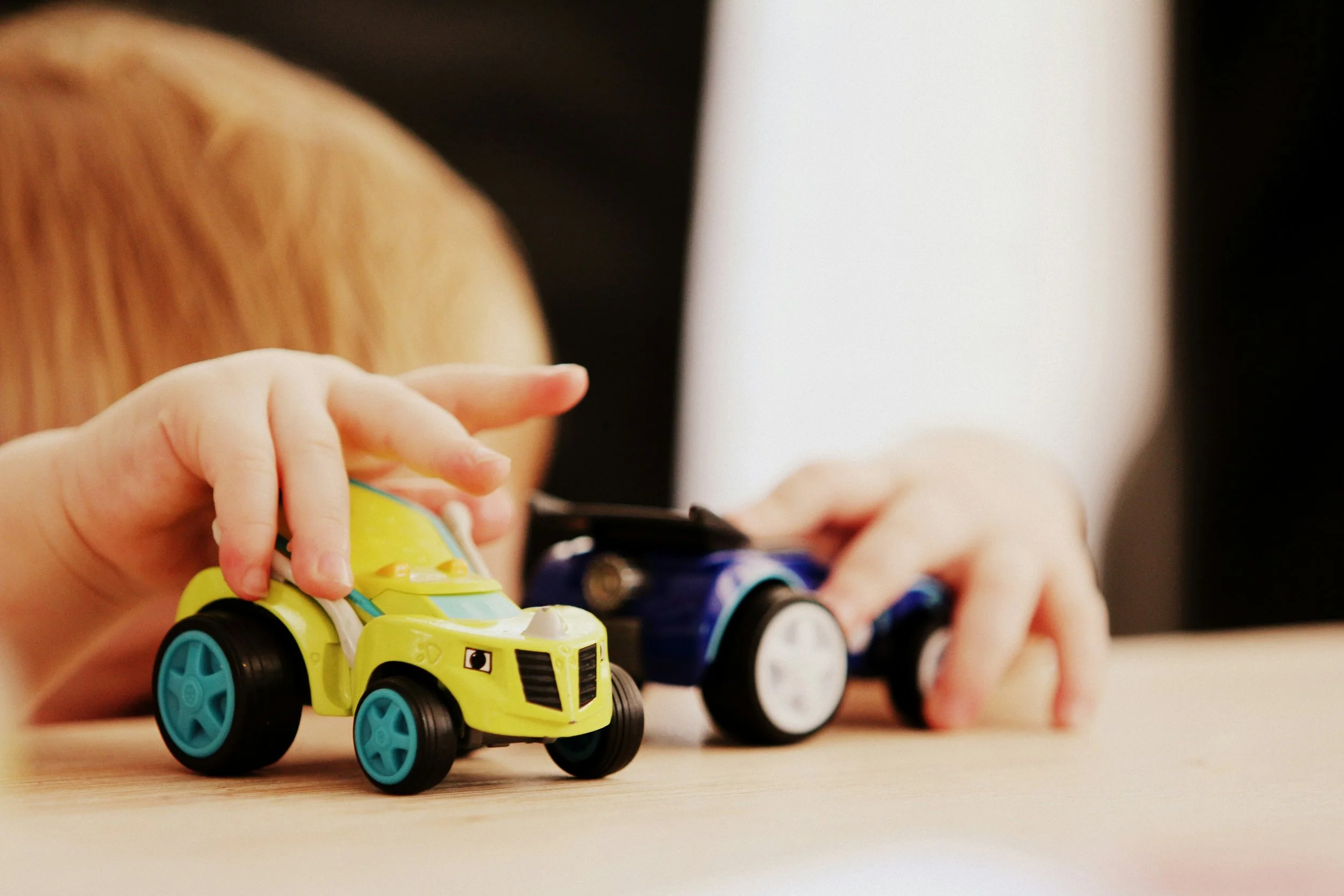
Maybe you have a friend who’s toddler is fully independent. She told you how easy being a stay at home mom is, as she sets up an activity for her 2 year old. You sit on the couch and watch in awe as her toddler stays focused on said activity, your own 2 year old is wrapped around your torso. Reminder, every child is unique.
It’s Just Development:
Before you worry if you somehow fostered an unhealthy attachment, clingingness can often be a sign of normal development, or part of your child's unique personality. To a young child the world is a huge unpredictable place and it is expanding at a terrifying pace. You are their safe light in the darkness that they can turn to. Their nervous system says “mom is here, I am safe” the moment they wrap their hands around. Not to mention the rapid brain jumps (language growth, motor skills and new fears) may trigger regression back into ultimate clinginess.
What could be happening behind the velcro:
Separation anxiety peaks: Even after the infant stage separation anxiety makes a major comeback at 12 to 18 months and again around 2 to 2.5 mark. During these times, the space between you and them becomes sharper. The need to be close to you becomes a necessity in their eyes.
Cognitive overload: Does your toddler get extra close to you right before speaking in larger sentences, coming out with a new motor skill, or counting to 20? Big cognitive jumps can create a feeling of instability. You become an anchor as they navigate through these leaps.
Temperament: every toddler is one of a kind, and they all have their own unique temperaments. Some are more sensitive sensory input, or unfamiliar environments. These toddlers may need you to self regulate. Their love language may be physical touch, and/or quality of time.
Life with the velcro toddler:
I was online window shopping the other day and came across a weighted vest. I was so close to adding it to my cart until it hit me… I have a much more expensive organic weighted vest - my 25lb toddler.
When you walk into the home of a velcro toddler, here is what you may see:
The one handed chef: In the kitchen the highly skilled mom will be balancing a toddler on her hip while flipping pancakes, opening cabinets, and pouring the coffee all with one hand. I myself have become very ambidextrous!
Privacy?? What’s that?: You wanted to use the bathroom in peace? HA! Do you know what it's like to go #2 with a toddler on your lap(sorry TMI)? Well the mom of a velcro toddler knows. Shut doors will lead to crying. If those doors are open, there will be a tiny person 2 inches from your face.
Sitting down= human jungle gym: The second your butt makes contact with that seat, the velcro toddler’s sixth sense gets alerted. For the toddler you have now volunteered as tribute. Congratulations, you are now a climbing structure, a pillow, or trampoline.
So let us over-touched moms save our sanity:
When you have been touched, leaned on, pulled at, and climbed over for nearly 12 hours straight, your nervous system can hit a wall. This does not mean you are a bad mom or that you love your kids any less just because you need a break from their tiny hands.
Here are some ways to protect your sanity on those velcro heavy days:
Practice the micro boundary
A mother should not feel the need to choose between total self neglect or having your toddler cry hysterically. There can be peace by building small buffers.
Start with a firm boundary: “I see you want to be held, mommy is stirring this pot, but I give you a huge hug when I am done” You can try working around with different wording, tones, or intonations to see what works best with your child.
Why this works: By validating their need for connection while holding predictable boundaries, learning that a brief delay in physical closeness does not equal abandonment.

2. The magic of parallel play:
Our children love to copy us, it’s how they learn. Bring the work to them.
In the kitchen: Let them “cook” with you, while still saving your arms and back. The amount of times a bowl, rice, and a couple measuring spoons have saved my sanity. Next time you are overwhelmed in the kitchen, try giving them a job of measuring rice or any other grain.
During chores: Toddlers love having a job. Hand them a cloth or duster, and they will be ecstatic to be working with you! Even if it is wiping the same spot over and over.
This is a season, not forever:
When in the thick of it, the constant physical touch feels like it could last forever. However, there will come a day, he walks into his room and gets wrapped up in an activity, completely forgetting to check in with you.
Reminder: It is okay to feel touched out and overwhelmed all while still loving your toddler fiercely. Take a few deep breaths, lower your standards on the housework today, and give yourself grace. This will pass…unless you get a velcro teen but, that's a post for another time.
